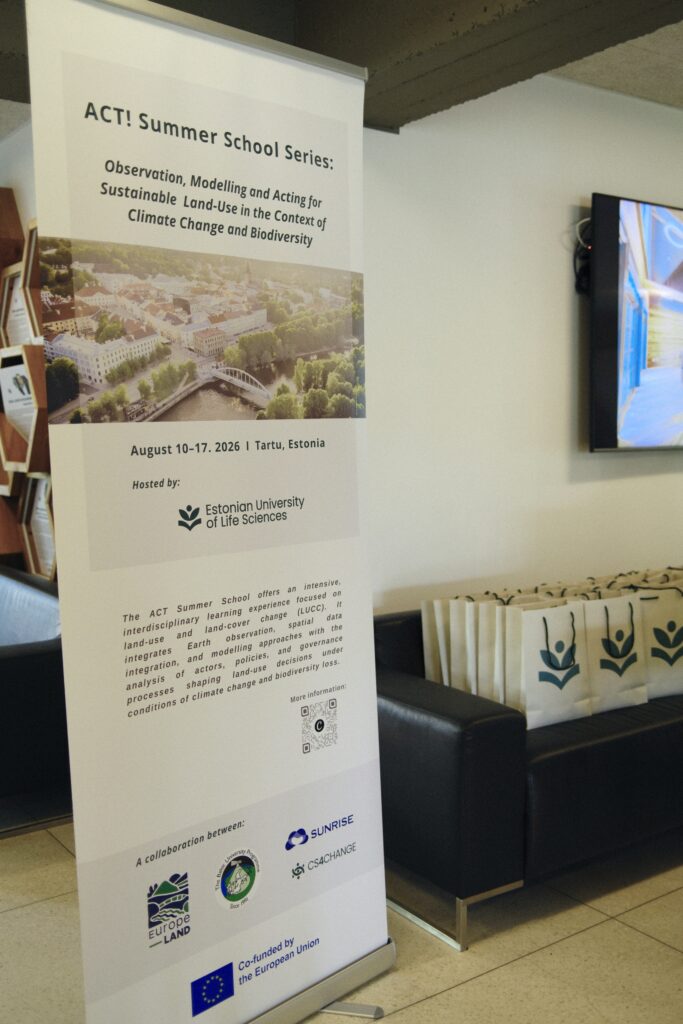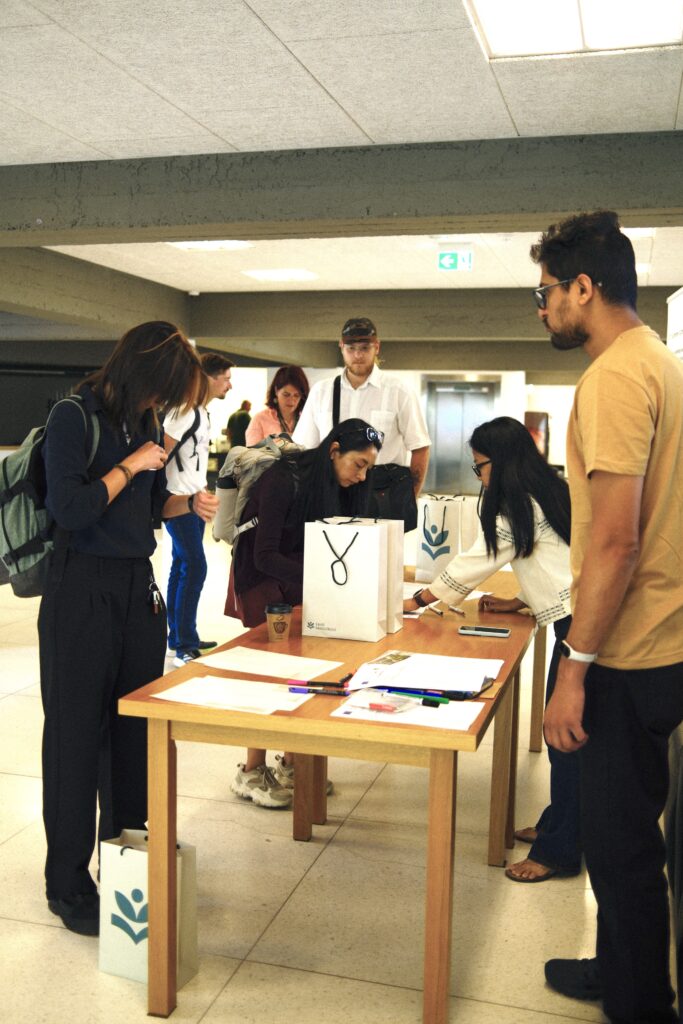
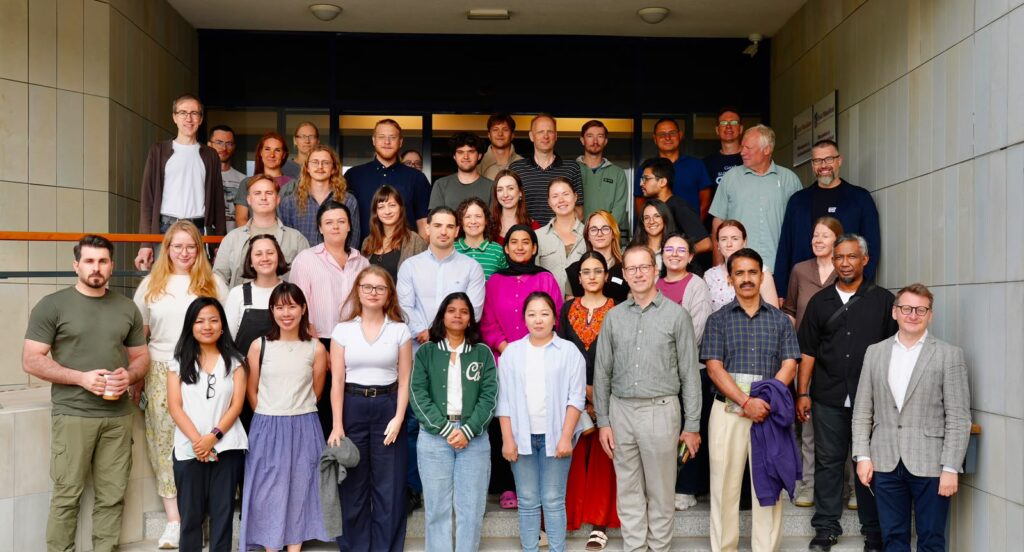
After an intensive week of lectures, hands-on exercises, fieldwork and collaborative research, the ACT! Summer School Series “Observation, Modelling and Acting for Sustainable Land-Use in the Context of Climate Change and Biodiversity” comes to a close today in Tartu, Estonia.
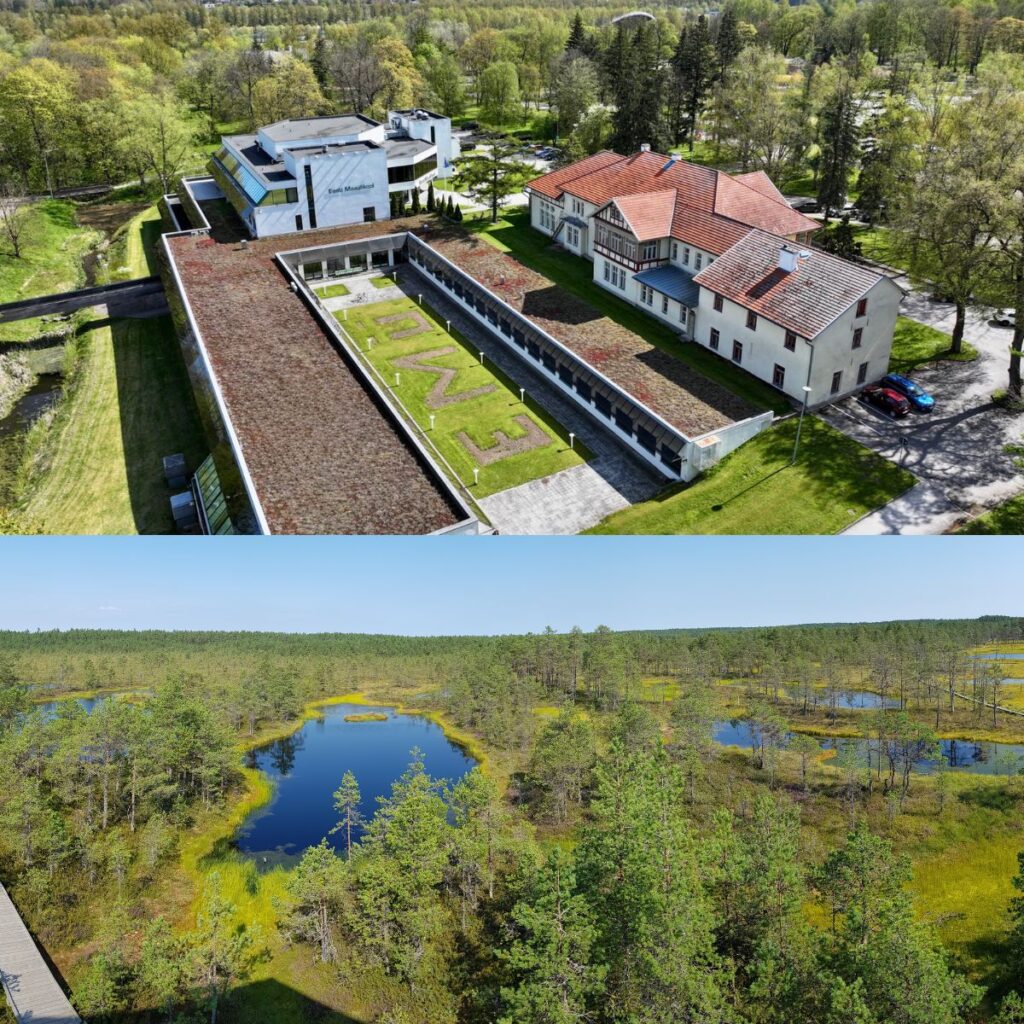
Hosted by the Estonian University of Life Sciences (EMU) from 10 to 17 August, the Summer School brought together 36 early-career researchers from 20 countries for an international learning experience focused on one of today’s central sustainability challenges: how land-use decisions can respond to climate change and biodiversity loss.
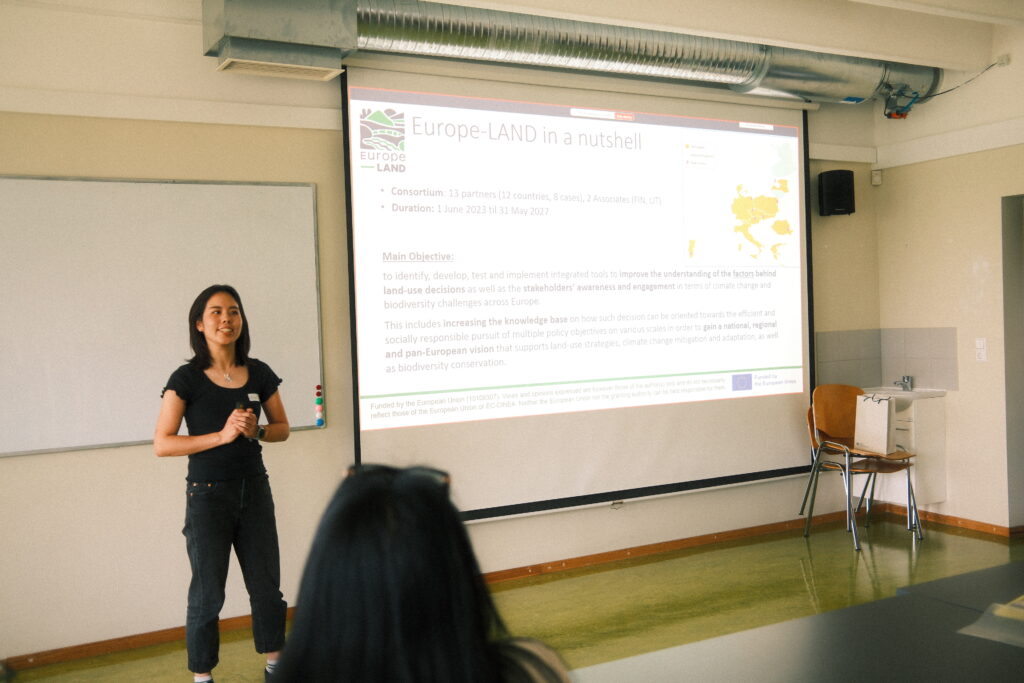
Organised within the framework of the EU-funded Europe-LAND, CS4Change ja SUNRISE projektid, with additional support from the Baltic University Programme, the ACT! Summer School combined different perspectives on land systems science. Participants explored how land-use change can be modelled and observed and analysed through Earth observation and spatial data, how to include an integrated coupling and coupled human–natural systems perspectives for analysing multi-scale land-use dynamics, and how policies, governance and human decisions shape landscapes.
From the classroom to the field
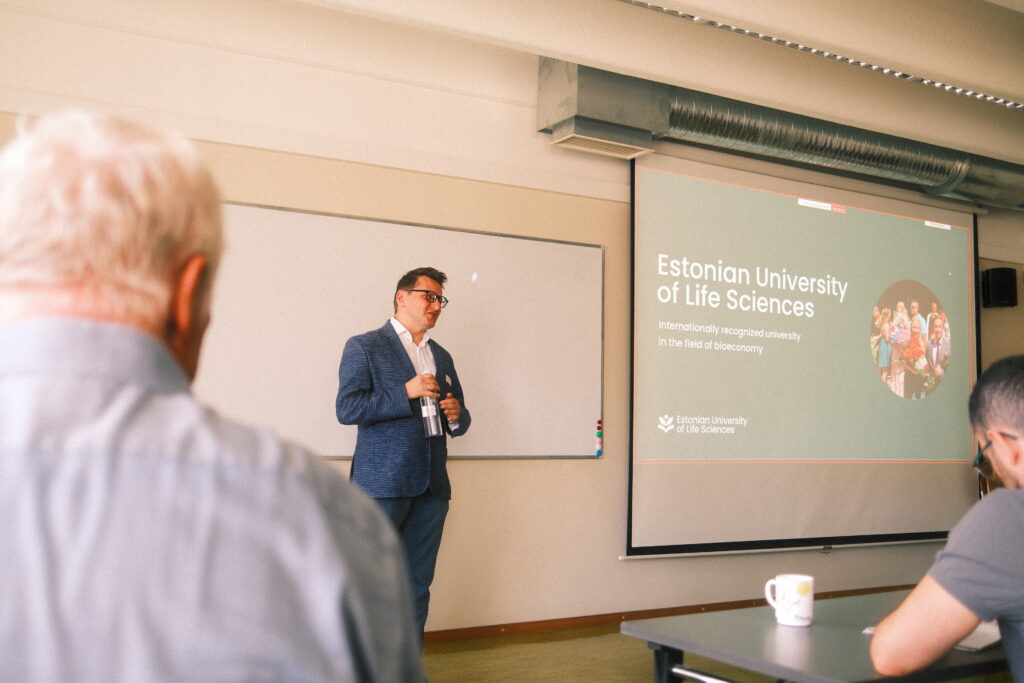
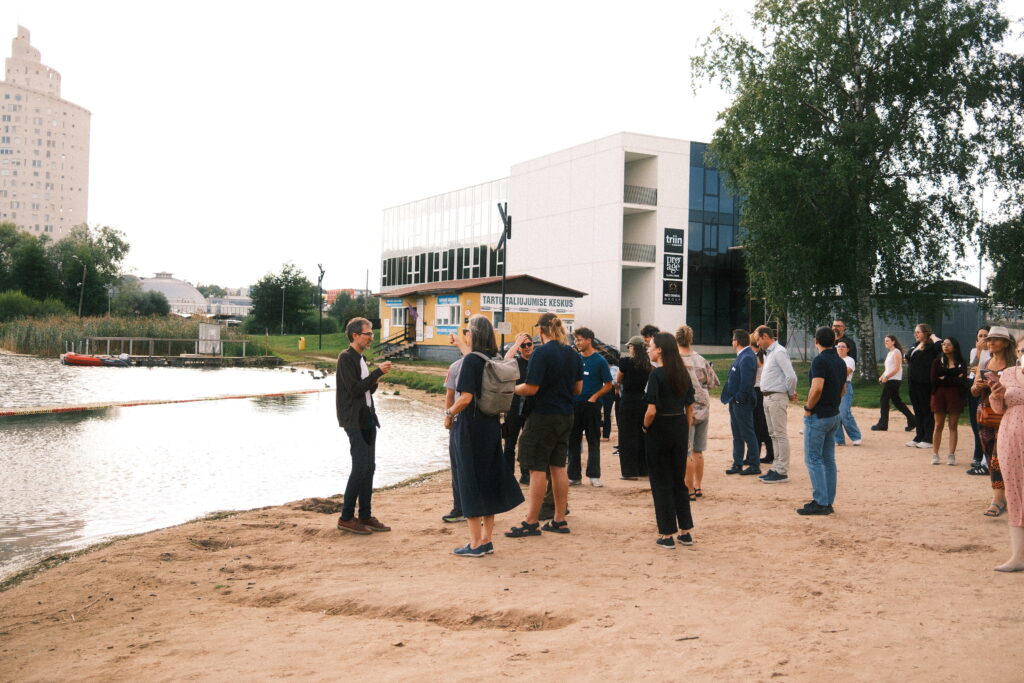
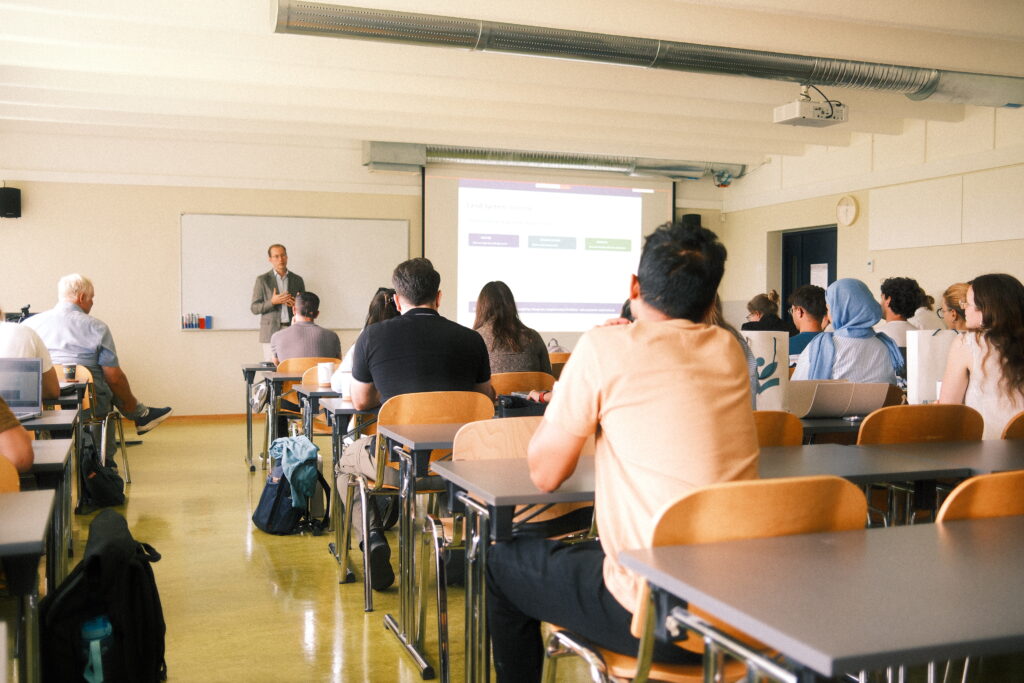
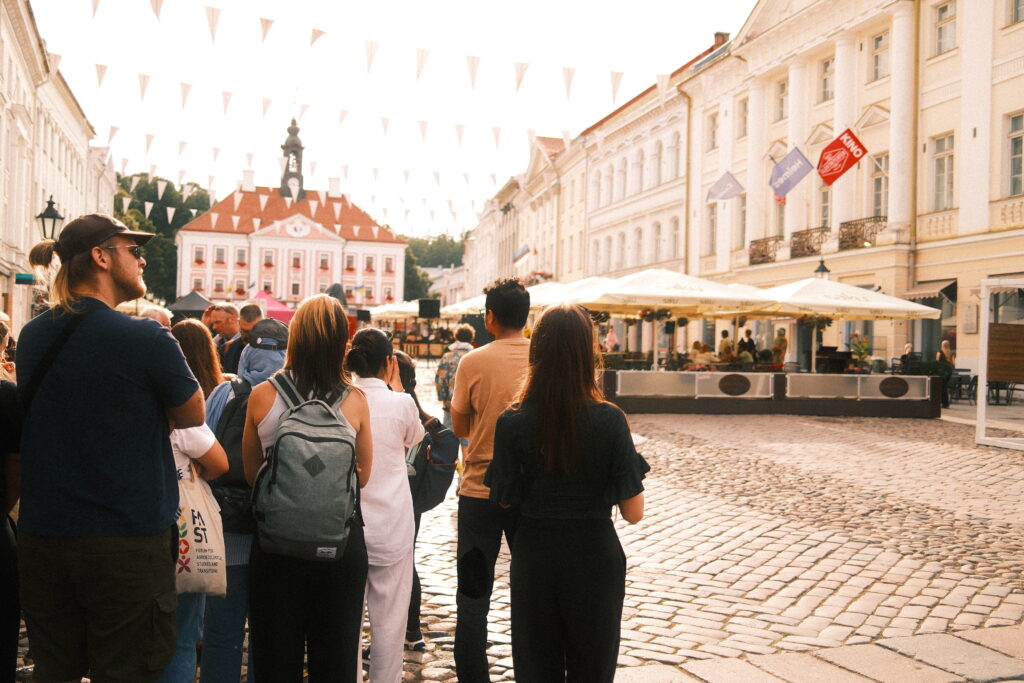
The programme began with an introduction to the Summer School concept and to the Estonian context. Following the welcoming introduction by Prof. Anton Shkaruba, Prof. Kalev Sepp offered participants insights into Tartu and Estonia. Prof. Alexander Prischepov then opened the academic programme with a lecture on the frontiers of land systems science for climate change and biodiversity governance. The first day concluded with an excursion to local case study areas, giving participants an opportunity to connect the topics discussed in the classroom with the landscapes around Tartu.
Over the following days, the Summer School moved deeper into methods for observing, modelling and understanding land-use and land-cover change. Participants were are introduced to the Europe-LAND analytical logic and went in parallel sessions through a variety of discussione. Topics were ranging from remote sensing approaches of forest fires and wetlands to IACS agricultural data, drone-based environmental monitoring, agent-based modelling approaches or the usage of Copernicus land-use data. The Summer School was structured around a mix of presentations, parallel hands-on sessions, field excursions, and collaborative group work, during which participants developed and worked on their research proposals.
The programme also highlighted that understanding land-use change requires more than data and models alone. Sessions on policy analysis, foresight, coupled human–nature systems and Living Labs explored how scientific evidence can be connected with governance, stakeholder engagement and real-world decision-making. The Europe-LAND Toolbox was introduced as a platform supporting evidence-based land-use planning and decision-making.
Learning through Estonia’s landscapes
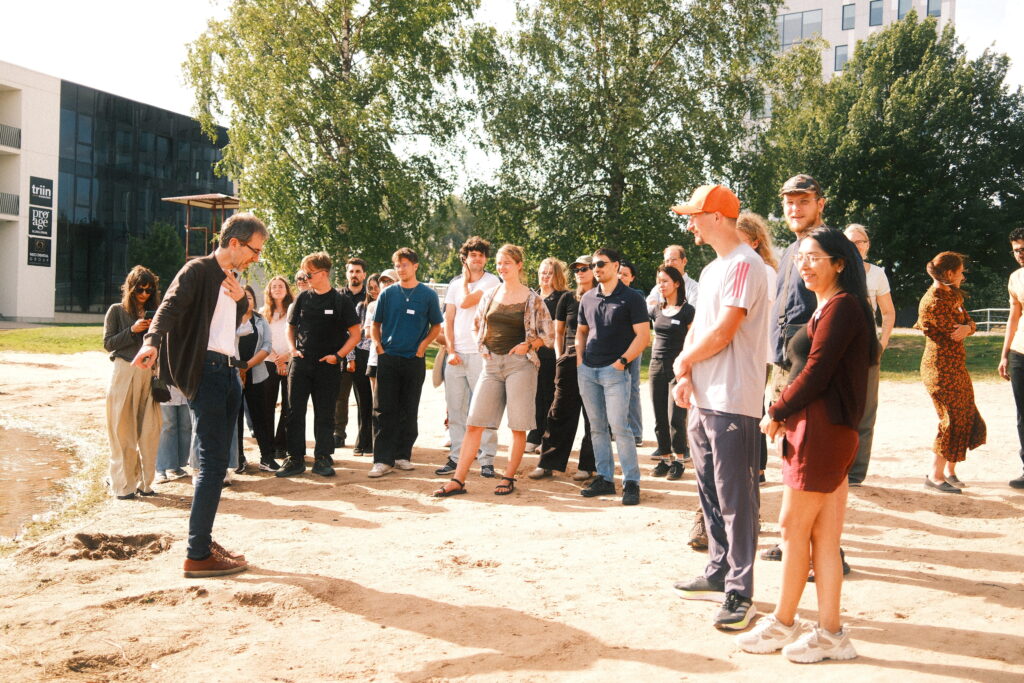
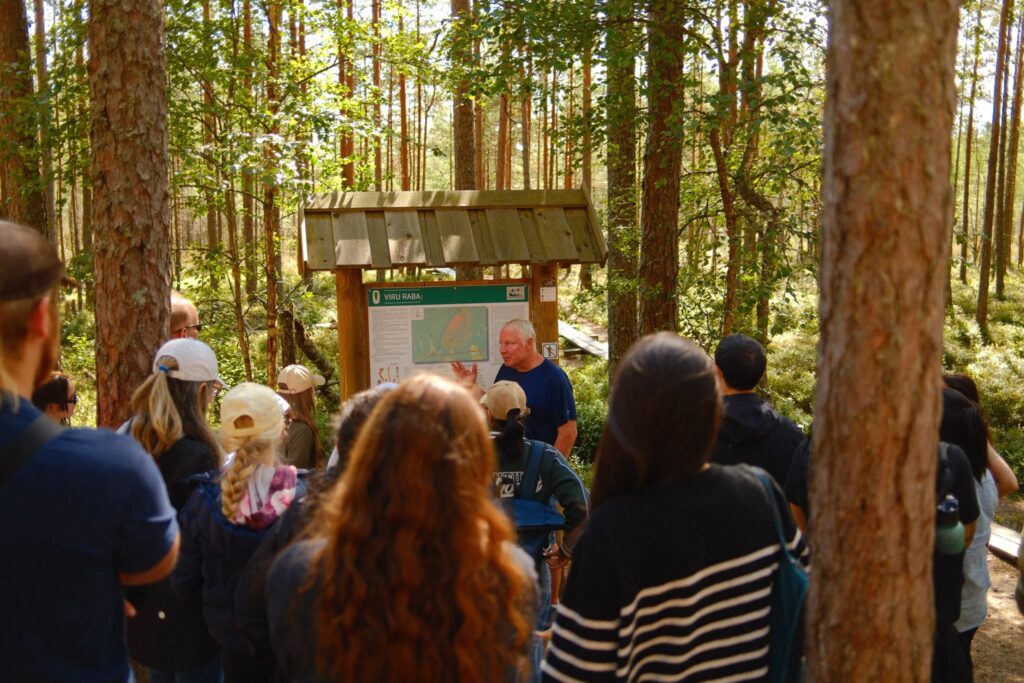
Field experiences were an important part of the week. On the first day, participants visited several local case study areas around Tartu. Later in the programme, the group went into the field again, including an excursion to the Viru Bog, where Prof. Kalev Sepp shared insights into the landscape and its ecological characteristics.
These excursions complemented the methodological and theoretical sessions by allowing participants to examine land-use questions directly in the Estonian landscape. The combination of field observation, spatial data and modelling reflected the central idea of the Summer School: understanding sustainable land use requires connecting different types of knowledge and perspectives.
From international exchange to collaborative research
A central element of the ACT! Summer School was collaborative group research. After being introduced to a range of research topics, participants formed interdisciplinary teams and developed research proposals addressing land-use challenges in and around Tartu.
The groups worked on topics including the comparison of IACS and remote-sensing data, Living Labs, the restoration and re-use of former military areas, land-use governance, drone-based mapping of wetland ecosystems, and the environmental implications of recreational land use.
This group work provided an opportunity to apply the methods and concepts introduced during the first part of the Summer School while bringing together participants with different disciplinary and national backgrounds. It also created space for discussion, peer learning and the development of professional connections – an important part of the ACT! Summer School experience.
A week of learning, exchange and new connections
The results of this collaborative work will be presented and reports to the participating faculty today, marking the conclusion of the Summer School. The Summer School concludes with a graduation ceremony.
Looking back over the week, the ACT! Summer School has brought together research, practical learning and international exchange in Tartu. From satellite imagery and drones to Living Labs, policy analysis and field observations, the programme demonstrated the wide range of approaches needed to understand and address changing land systems.
The organisers hope that the connections established in Tartu will continue beyond the Summer School – through future research collaborations, new projects and continued exchange within the Europe-LAND and SUNRISE research ecosystems.