
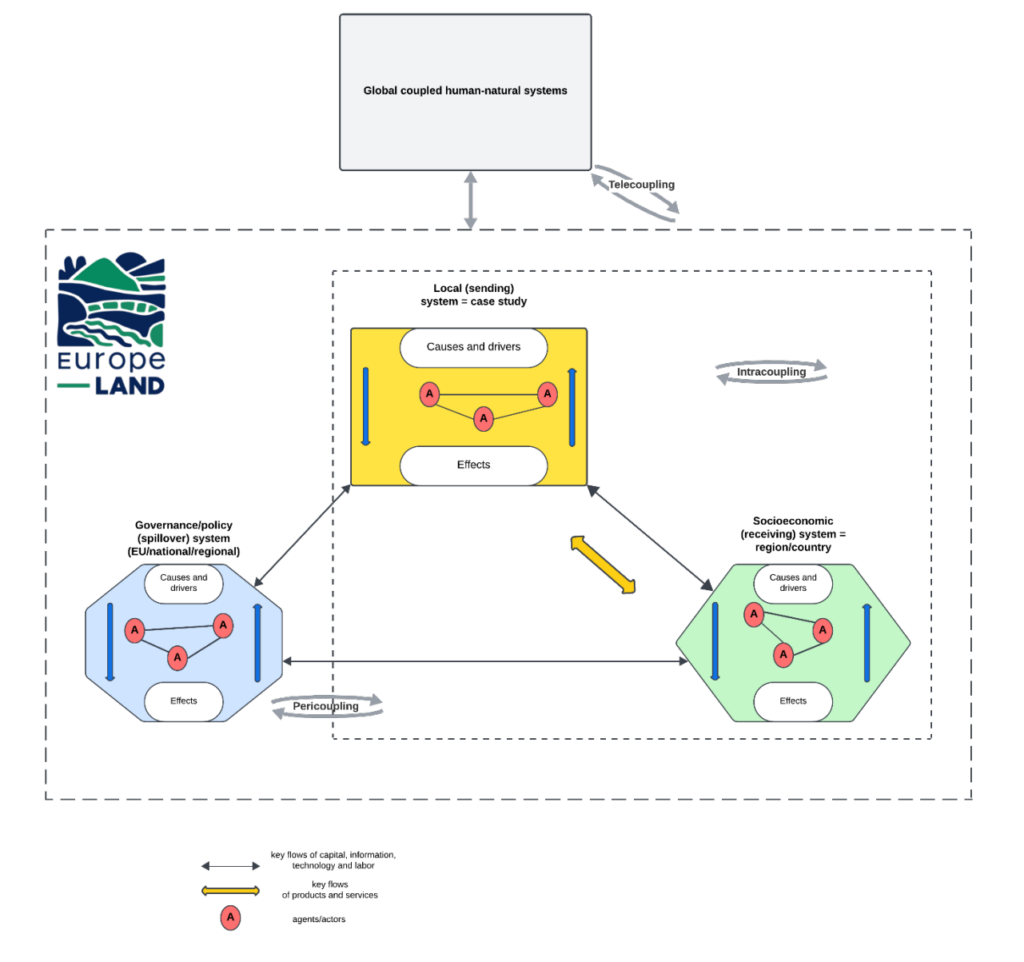
Šonedēļ Rezultāts 5.3 Eiropas un ZEMES telesakaru sistēma tika iesniegts ziņojums, kas ir nozīmīgs pavērsiena punkts projekta darbā pie ilgtspējīgas zemes izmantošanas stratēģijām klimata pārmaiņu un bioloģiskās daudzveidības problēmu apstākļos. Šajā dokumentā apkopotas konceptuālas, metodoloģiskas un empīriskas atziņas, lai palīdzētu labāk izprast, kas nosaka zemes izmantošanas lēmumus visā Eiropā.
Slovākijas Lauksaimniecības institūta Nitrā (Slovākija) starpdisciplināras komandas vadītajā pētījumā ir sniegta visaptveroša sistēma, tostarp detalizēti datu kopumi, kas balstīti uz Europe-LAND astoņu vietējo gadījumu izpēti.
Galvenais ieguldījums Rezultāts 5.3. ir jauna telesaistes sistēma, kuras mērķis ir integrēt dabas un sociālās zinātnes, lai labāk izskaidrotu, kā cilvēki, iestādes un ekoloģiskie procesi mijiedarbojas, pārvarot attālumus. Šī sistēma novērš esošās nepilnības zemes izmantošanas pētījumos, apvienojot kvantitatīvus rādītājus ar kvalitatīvām perspektīvām. Šī kombinētā pieeja stiprina projekta spēju analizēt, kā zemes izmantošanas izmaiņas rodas dziļi savstarpēji saistītās sistēmās.
Eiropas un ZEMES sistēmas metodoloģiskajos pamatos ir uzsvērta starpdisciplinaritātes un sadarbības nozīme. Pētījums balstās uz plašu pieeju klāstu, ko izmanto telesakarību pētījumos, sākot no dokumentu analīzes un intervijām līdz ekoloģiskai kartēšanai, līdzdalības metodēm un sociālo tīklu analīzei. Šīs pieejas palīdz aptvert gan tiešo zemes izmantošanas spiedienu, gan pamatā esošos faktorus, vienlaikus stiprinot spēju noteikt, kā dažādi dalībnieki ietekmē zemes izmantošanas rezultātus.
Europe-LAND sistēmā ir iekļautas arī atziņas par cilvēka un dabas sistēmu sasaisti un jauniem jēdzieniem, piemēram, metacoupling, uzsverot, ka, analizējot zemes izmantošanas trajektorijas, ir jāņem vērā vietējā, blakusesošā un attālinātā mijiedarbība. Šī paplašinātā perspektīva ļauj Europe-LAND labāk izprast reģionālās atšķirības, atgriezeniskās saiknes un dažādu zemes izmantošanu ietekmējošo sociāli vides faktoru savstarpējo saistību.
Turpmāk, Rezultāts 5.3. ir izklāstīti arī ieinteresēto personu un dalībnieku analīzes veikšanas soļi. Šie soļi palīdz noteikt galvenos zemes izmantošanas dalībniekus, novērtēt to ietekmes un atkarības līmeni un iezīmēt attiecības starp tiem. Šīs dinamikas izpratne ir būtiska, lai izstrādātu efektīvākas un iekļaujošākas zemes izmantošanas stratēģijas, kurās ņemtas vērā varas attiecības, institucionālā kārtība un ieguvumu un risku sadalījums.
Kopsavilkumā var secināt, ka Eiropas un ZEMES telesakaru sistēma ir izstrādāts, ņemot vērā elastīgumu, kā arī izpratni par to, cik būtiski ir apvienot kvalitatīvos un kvantitatīvos datus, lai izprastu visu to mijiedarbību spektru, kas nosaka zemes izmantošanas izmaiņas visā ES. Europe-LAND virzoties uz priekšu, šī sistēma palīdzēs veikt pētījumus par zemes izmantošanas maiņu un atbalstīt elastīgāku, uz pierādījumiem balstītu politikas pieeju izstrādi pašreizējā projekta ietvaros un ārpus tā.